
Professional Cycling Biomechanics Course
Practical training for professionals who want to specialise in cyclist biomechanical analysis
Objectives
Course objectives
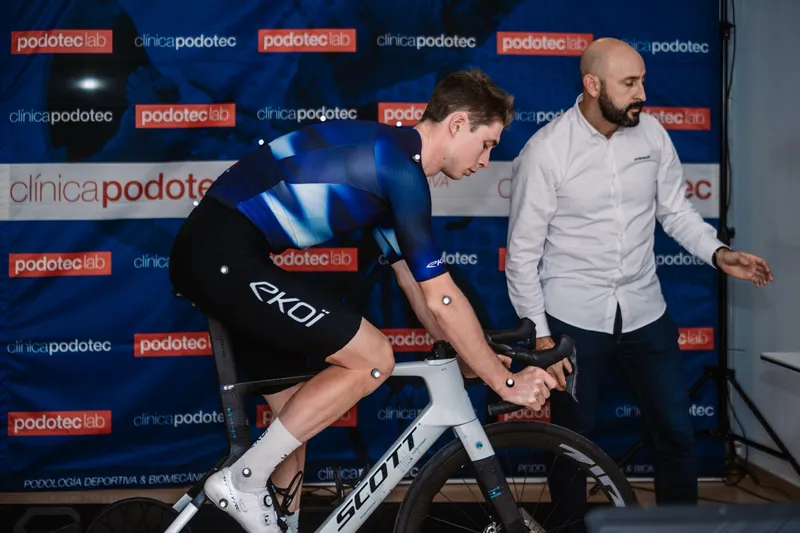
The goal of this course is to provide students with the knowledge required to perform biomechanical analyses at a professional level.
- Prevent, diagnose and treat injuries caused by incorrect sports movement
- Ensure proper function of the involved anatomical structures
- Improve energy transfer
- Achieve greater bike stability and control
- Save energy
Methodology
Philosophy
Hands-on Approach
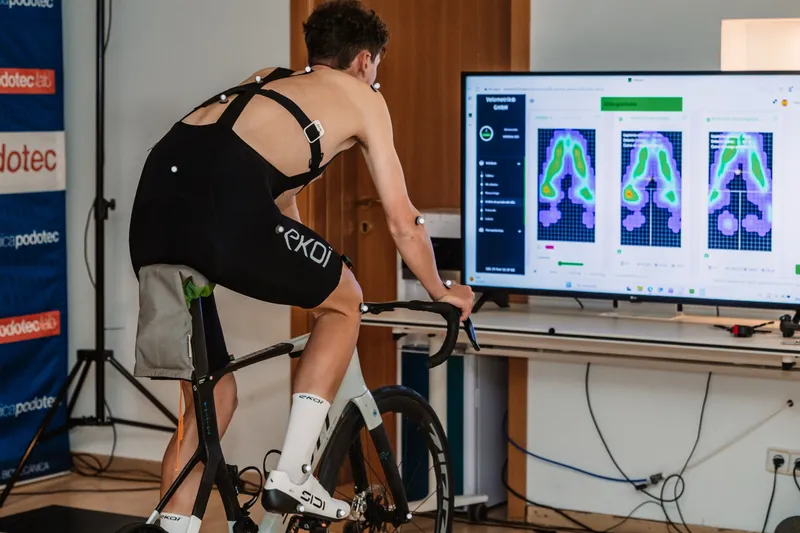
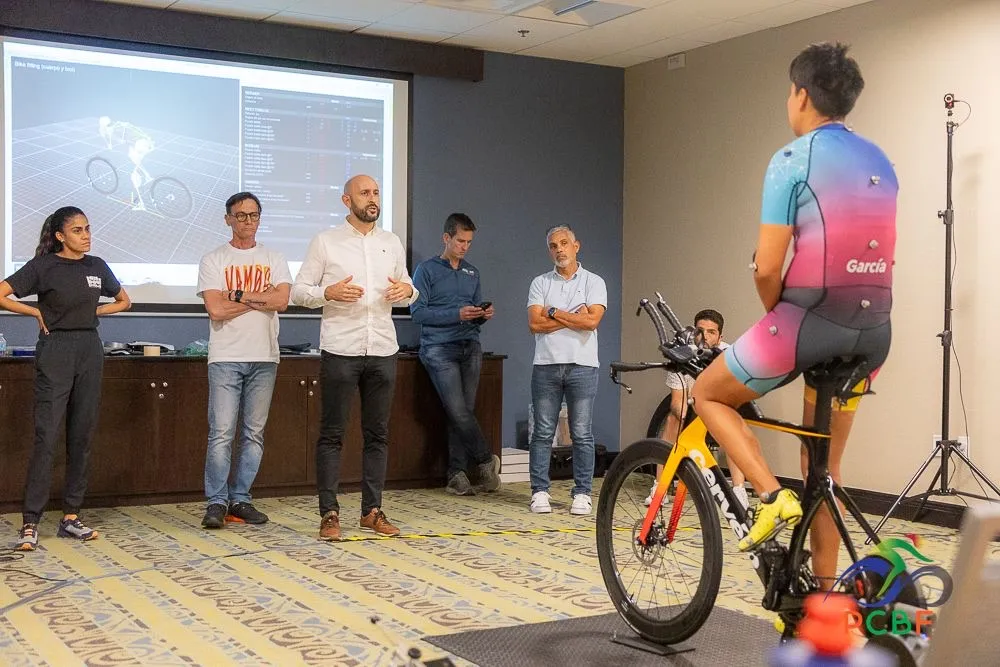
60-70% clinical practice with real cyclists from different disciplines. From the very beginning, you work with real data and positions.
Quantification and Objectivity
A solid biomechanical analysis must always rely on proper quantification of angles and reference points using motion analysis systems.
Cyclist Assessment
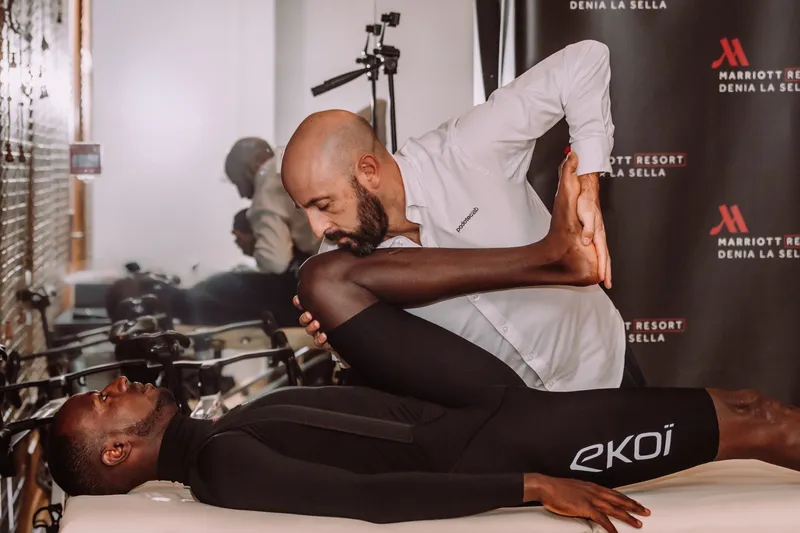
Cyclist anatomy plus joint and muscle assessment are key to making the right decisions.
Small Groups
Maximum 7 students per course to optimise learning and personal guidance.
Professional approach
Objectives of a biomechanical analysis
- Prevent, diagnose and treat injuries caused by sports movement.
- Ensure proper function of anatomical structures involved.
- Improve energy transfer and performance.
- Achieve better stability and control on the bike.
Content
What you will learn in the course
Evolution of biomechanical systems
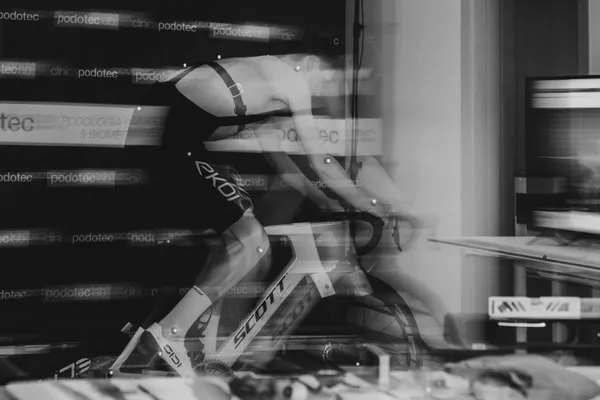
You will learn about the different biomechanical analysis systems on the market and how they have evolved.
Required tools
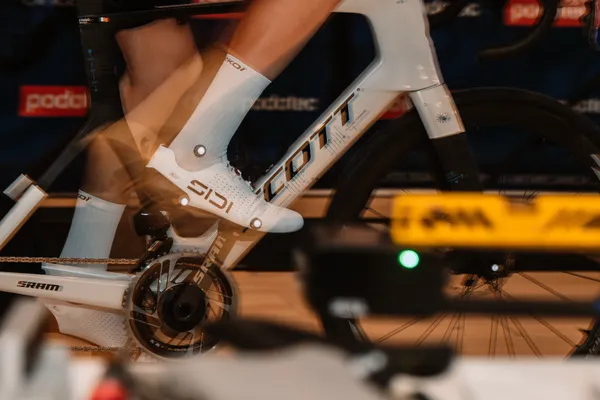
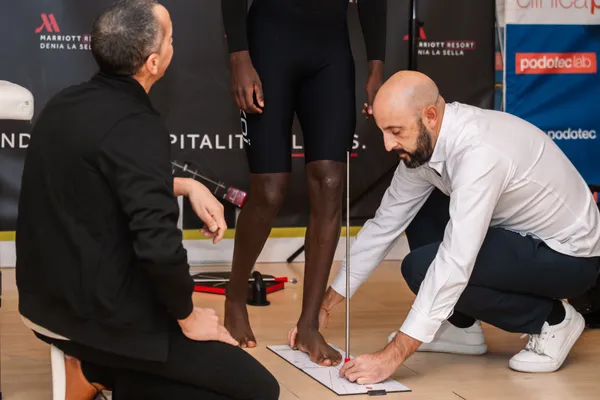
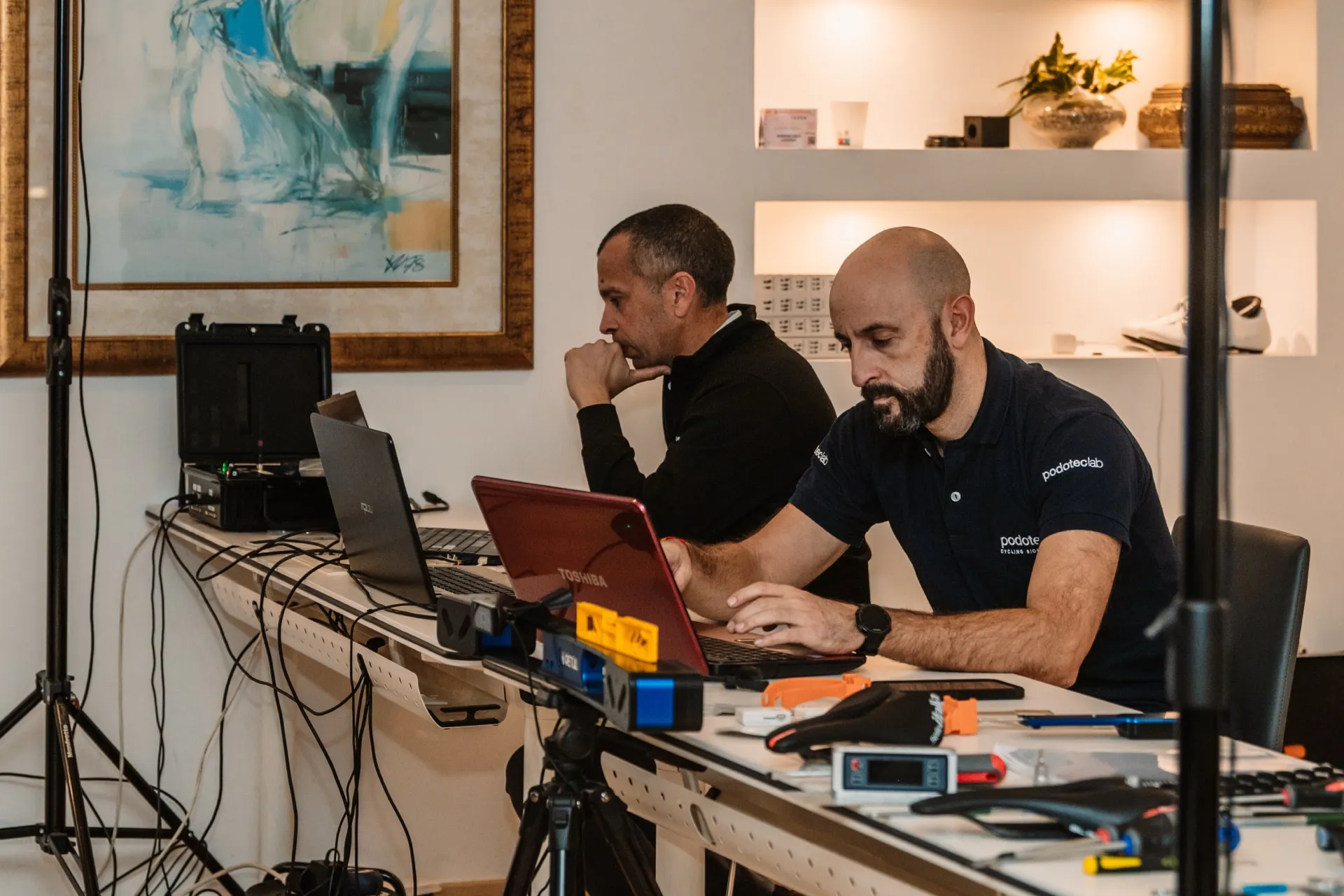
We show you the tools required to perform biomechanical studies under optimal conditions.
Adjustment parameters
You will learn which parameters to adjust based on saddle, handlebar and cleat options.
Protocol
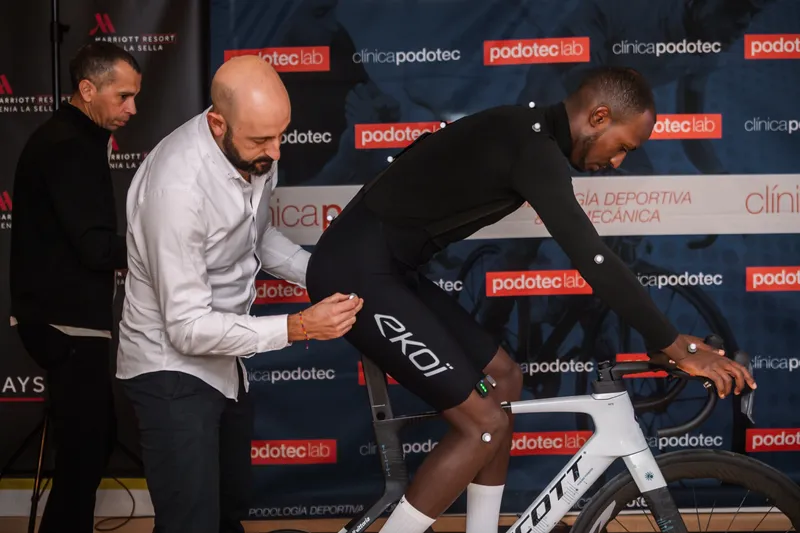
Biomechanical analysis protocol
- Patient interview
- Patient physical assessment
- Review of initial bike measurements
- Pedalling analysis from initial position at different loads
- Pedalling kinematic analysis with the required adjustments
- Recording final measurements
Technology
Biomechanical Study with STT Systems 3DMA
We work with one of the most advanced and complete biomechanical analysis systems available.
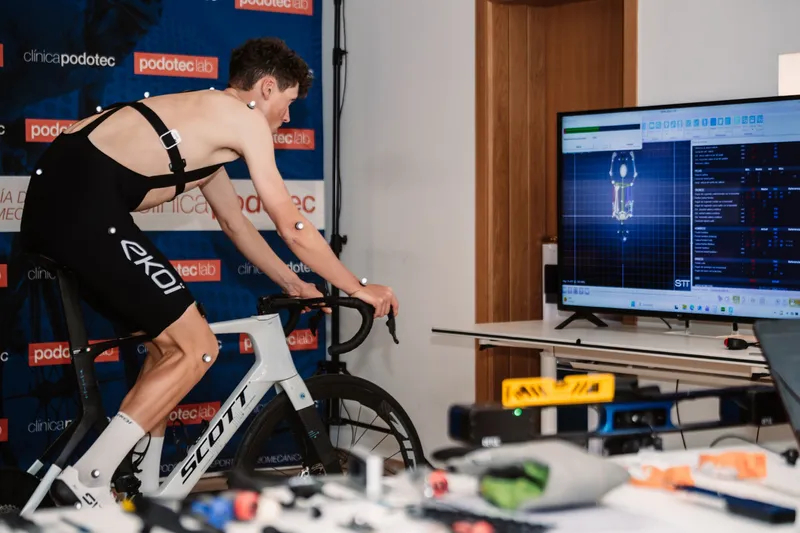
Marker placement protocol
Millimetric precision in the location of key anatomical points.
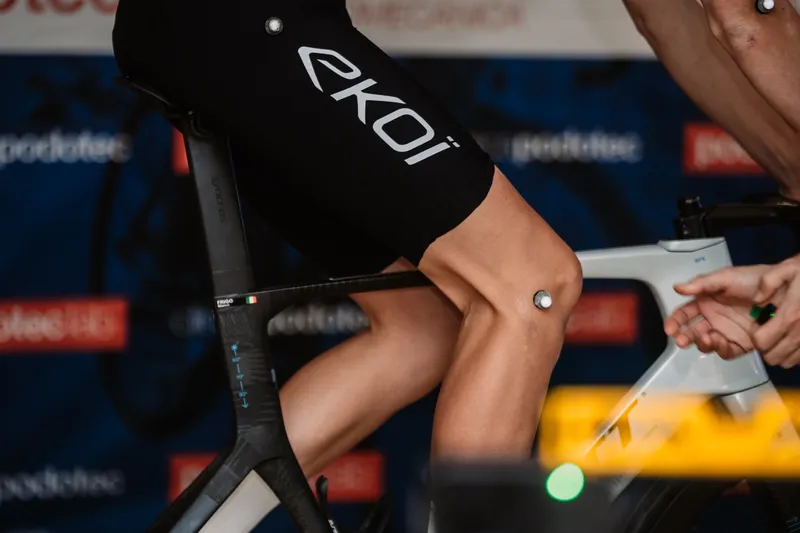
Pedalling kinematic analysis
Real-time visualisation of angles and symmetry in 3D.
Sports podiatry
The cyclist foot
- A fundamental element in cyclist motor function
- Responsible for transmitting force to the pedal through the forefoot
- Modifies the action of upper joints based on functional capacity
- Also adapts according to cyclist position
Global calendar
Course locations
Lisbon, Portugal
Hotel Mercure Almada Lisboa
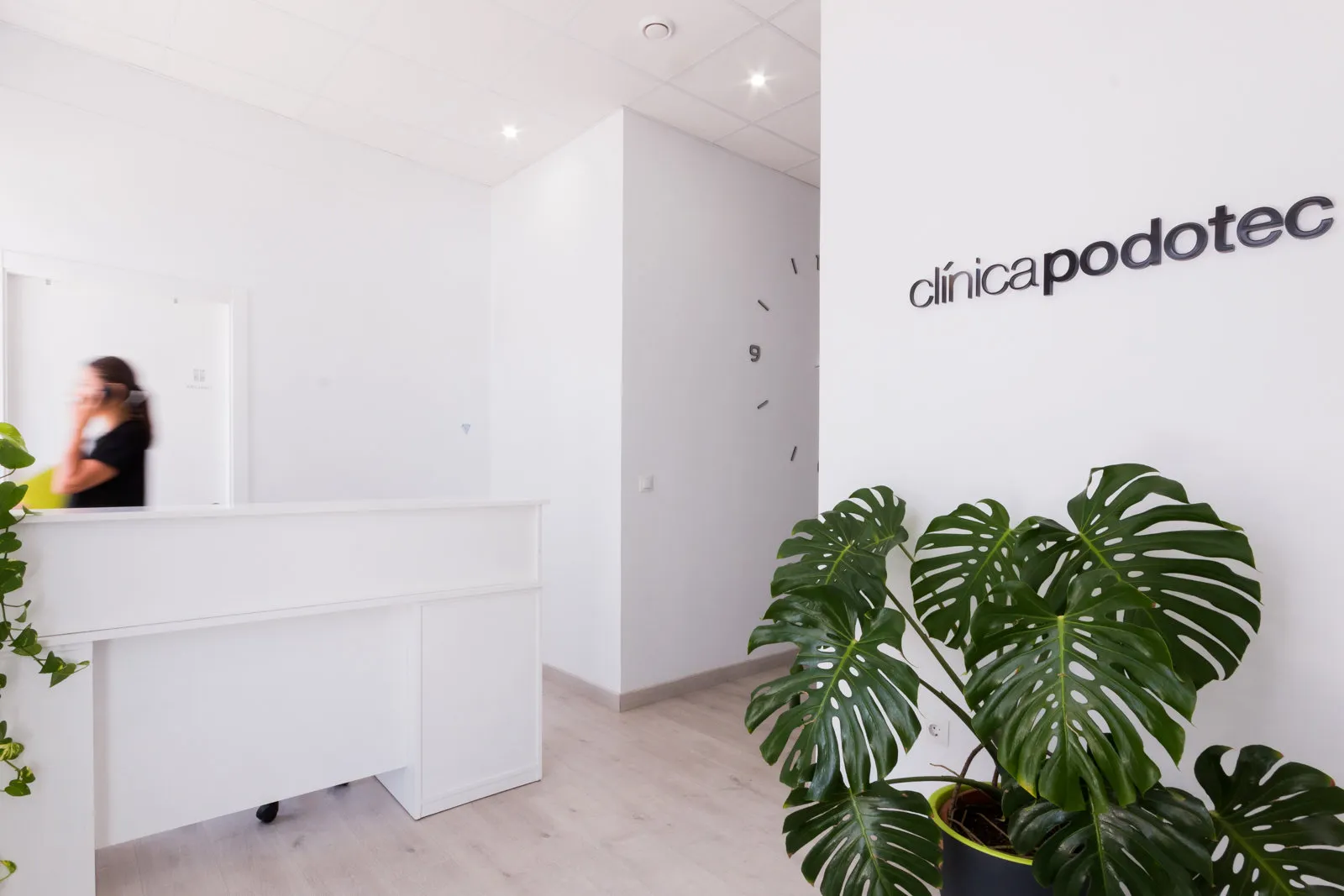
Almendralejo, Spain
Clínica Podotec
Orlando, United States
Venue to be confirmed
Medellin, Colombia
Venue to be confirmed
Track record
About the instructor
Over 19 years of experience and 5,000+ biomechanical analyses completed. He has worked with professional UCI teams since 2015 and trains biomechanists in Spain, Portugal and the United States.
Training
- Diploma in Podiatry - University of Extremadura
- Retul Master Certified - Boulder, Colorado
- Specialist in Sports Biomechanics
Track record
- NSN Cycling Team (currently)
- Israel Cycling Academy (since 2017)
- Team Caja Rural-Seguros RGA (2015-2016)
Digital training
Looking for an Online Biomechanics Course?
Access the online training "Bike Fitting Essentials" and learn at your own pace with content developed by Gerardo Lozano for STT Systems.
View details at STT Systems